Customer Experience-Driven UI/UX Design: A Complete Guide
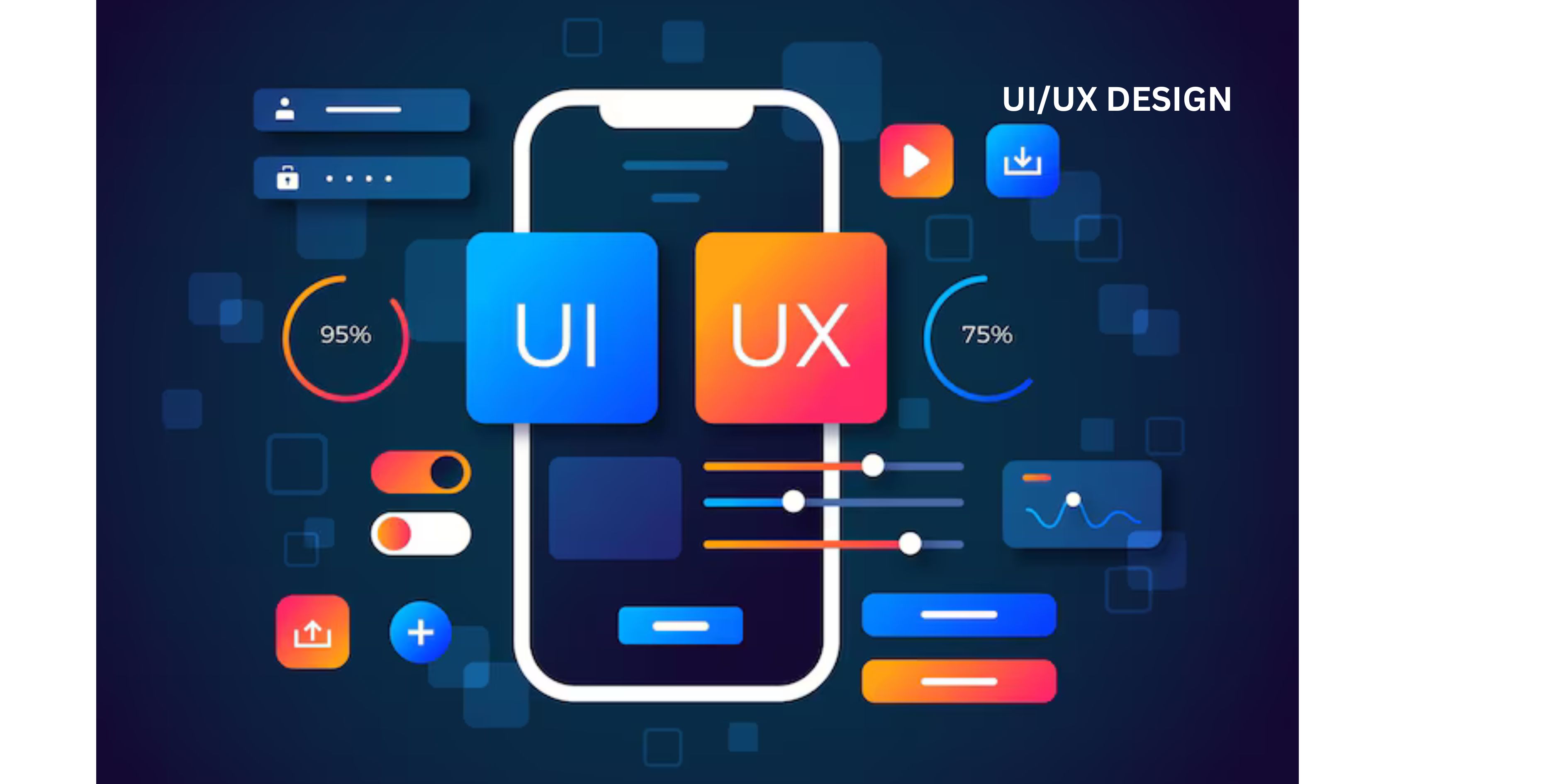
n the rapidly evolving digital landscape, businesses are increasingly realizing that the key to long-term success lies in UI-UX design that prioritizes customer experience ui/ux design. Platforms designed with the user in mind are more intuitive, engaging, and effective, leading to higher retention and satisfaction. Integrating UI/UX development into the design process ensures that both visual appeal and functionality work seamlessly, creating an experience that resonates with users from their first interaction to ongoing engagement.
Users today have little patience for interfaces that are confusing, slow, or inconsistent. Positive first impressions facilitated by strong UI-UX design are critical to building trust and loyalty. When companies implement customer experience ui/ux design principles, they transform digital interactions into meaningful touchpoints that foster user advocacy and long-term engagement.
Understanding Customer-Centric UI/UX Design
At the core of effective UI-UX design lies customer-centric ui/ux design, which places the user at the center of every design decision. The Importance of Customer-Centric Design cannot be overstated, as it drives interfaces that are intuitive, easy to navigate, and aligned with user needs. By applying user experience design best practices, such as persona development, user journey mapping, and iterative testing, organizations ensure that their platforms evolve in response to real-world user behavior.
Mobile applications, in particular, demand a focus on customer-centric ui/ux design. Optimized ui-ux design for mobile apps emphasizes touch-friendly interactions, responsive layouts, and streamlined navigation. This attention to detail reduces friction, improves usability, and enhances engagement, ultimately increasing loyalty and long-term retention.
Enhancing Customer Experience Through Design
To Enhance customer experience with UI/UX design, businesses must integrate both visual and functional elements seamlessly. Clean layouts, consistent typography, intuitive navigation, and logical workflows contribute to a smooth user journey. Implementing user experience design best practices, such as usability testing, prototyping, and analytics-driven design refinements, ensures that every interface decision is based on actual user insights.
Keeping up with ui-ux design trends such as micro-interactions, immersive visuals, and AI-driven personalization allows platforms to remain modern and engaging. Understanding User Interface vs User Experience is essential for balancing aesthetics with functionality, ensuring that digital experiences are not only attractive but also efficient and effective.
Driving Engagement Through Customer-Centric UI/UX
A critical goal of customer-centric ui/ux design is to Drive user engagement through customer-centric design. By anticipating user needs, providing clear feedback, and guiding users naturally through interactions, platforms encourage meaningful engagement. Users are more likely to explore features, adopt new functionalities, and return repeatedly, which strengthens loyalty and increases lifetime value.
Interactive tutorials, personalized recommendations, and contextual prompts help users feel supported and understood. Incorporating these elements into comprehensive UI-UX design strategies enhances usability and trust, creating a seamless experience that keeps users engaged over time.
Measuring and Optimizing UI-UX Effectiveness
The impact of UI-UX design can be measured through qualitative and quantitative metrics. Task completion rates, error frequency, session duration, and user feedback provide valuable insights into the effectiveness of design decisions. By following user experience design best practices, companies can iterate and refine their platforms, ensuring that improvements are targeted and aligned with user needs.
Tracking engagement and satisfaction metrics allows organizations to continuously optimize customer-centric ui/ux design. This approach ensures that digital experiences remain intuitive, enjoyable, and efficient, driving sustained engagement and long-term loyalty.
Business Benefits of Customer Experience-Driven UI/UX
Investing in professional UI-UX design strategies delivers tangible business benefits. Well-executed interfaces reduce support costs, streamline workflows, and enhance brand perception. Organizations that emphasize customer experience ui/ux design enjoy higher conversion rates, increased retention, and stronger advocacy from satisfied users.
Every aspect of the interface—from navigation to interactive feedback—contributes to business outcomes. Thoughtful UI-UX design ensures that investments in digital products translate into measurable returns, positioning the organization for sustainable success in competitive markets.
Cross-Platform UI-UX Consistency
Users interact with digital products across multiple platforms, including web, desktop, and mobile. Ensuring a consistent experience across all touchpoints is vital for engagement. Optimized ui-ux design for mobile apps guarantees that mobile interfaces match the usability and quality of desktop platforms, creating a seamless user journey.
Holistic UI-UX design strategies account for device-specific constraints while maintaining a unified experience. Consistency across platforms strengthens brand trust, reduces cognitive load, and ensures that users can navigate effortlessly, enhancing overall satisfaction and retention.
Leveraging Trends for Continuous Improvement
Staying updated with ui-ux design trends ensures platforms remain innovative while maintaining usability. Emerging trends such as gesture-based navigation, immersive content, and AI-powered personalization create richer and more efficient experiences. Integrating these trends with customer-centric ui/ux design principles allows organizations to innovate responsibly without compromising user satisfaction.
Understanding User Interface vs User Experience is crucial when adopting new trends. Distinguishing between aesthetic enhancements and functional improvements ensures that design innovations enhance usability and engagement rather than disrupt it.
Conclusion
In conclusion, customer experience-driven UI/UX design is essential for transforming first-time users into loyal advocates. Applying user experience design best practices and implementing comprehensive UI-UX design strategies ensures that digital products are intuitive, visually appealing, and aligned with user needs. Thoughtful UI-UX design enhances engagement, strengthens loyalty, and delivers measurable business value, establishing a foundation for sustainable success in today’s competitive digital environment.


